How Bench Warrants Work in Pershing County
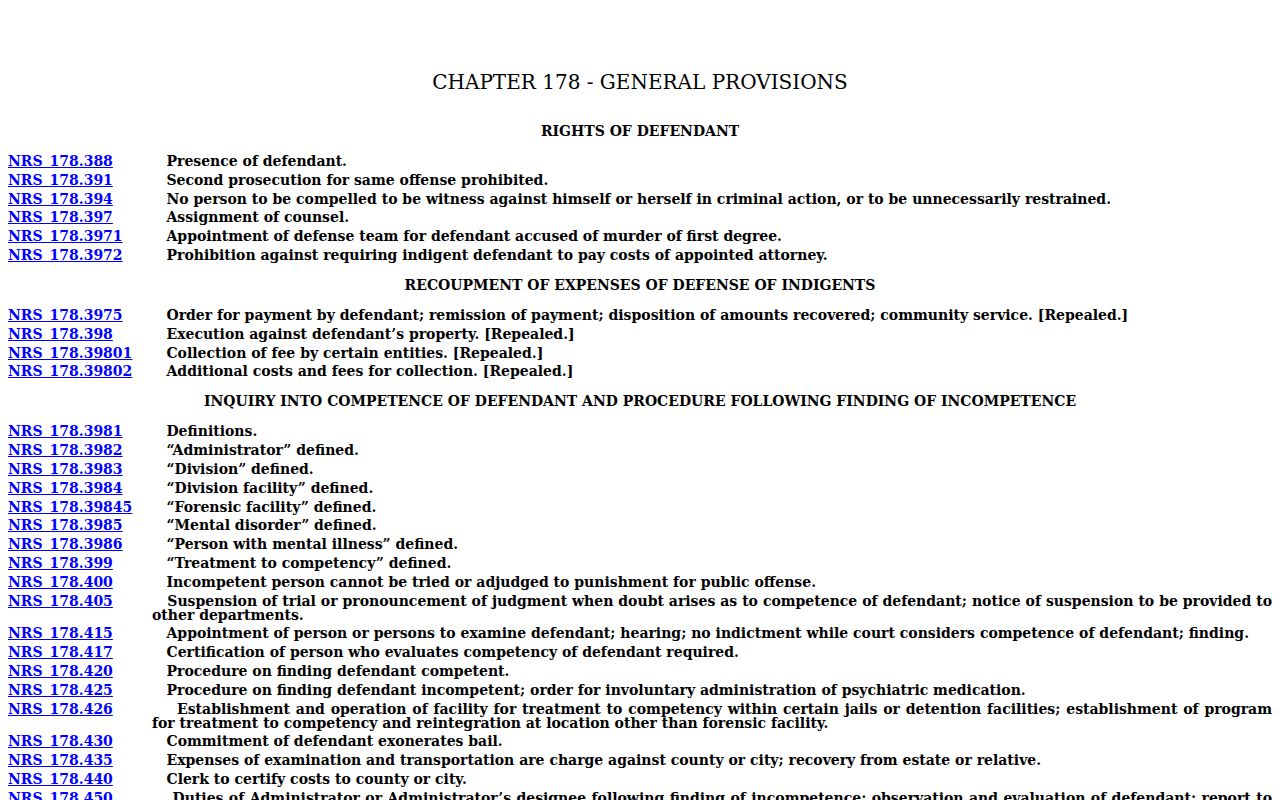
Miss a required court date in Pershing County, or skip a condition the court set, and the judge can issue a bench warrant from the bench itself. Nevada's public materials lean on the terms bench warrant, FTA warrant, and warrant of arrest; you will not see capias as the lead label in Pershing's official paperwork. Under NRS 178.508, the court enters the failure to appear in its minutes and orders an arrest warrant no later than 14 judicial days later. That is the general rule. The actual docket entries and timing still depend on the court, the case, and what notice each person received. Rather than assuming every missed date ended the same way, ask the issuing court for the current status of the file. That call beats a guess every time.
FTA Timing Under Nevada Law
The failure-to-appear path is court action, not a county publication duty. One case can carry a docket entry, a warrant order, a bond or surety question, an agency record, and a later recall entry, and different Pershing County offices may each hold one piece. The NRS Chapter 178 text governs the FTA process. Read it alongside the local map: Lake Justice for county misdemeanor and traffic matters, the Pershing County Clerk's Office for district-court matters. The county posts no public bench-warrant result row.
The official Nevada statute image in the project materials supports the FTA timing explanation.
Bench Warrant Issuance in Pershing County
For a missed county misdemeanor or traffic setting, call Lake Township Justice Court first. Ask whether the court entered an FTA, ordered a warrant, added a late or warrant fee, and set an appearance, payment, contest, or another step. For a district-court setting in Pershing County, contact the Pershing County Clerk's Office. A sheriff may execute process, but the court docket lives with the court.
- Identify the court, case or citation number, and missed setting.
- Ask whether the matter is civil infraction, misdemeanor traffic, misdemeanor criminal, or district court.
- Ask for the current FTA, warrant, fee, bond, and next-setting status separately.
- Ask what filing, payment, appearance, or counsel route the court accepts.
- Ask how a recall or resolution will appear in the docket and whether written proof is available.
Pershing Traffic Notice Before Warrant
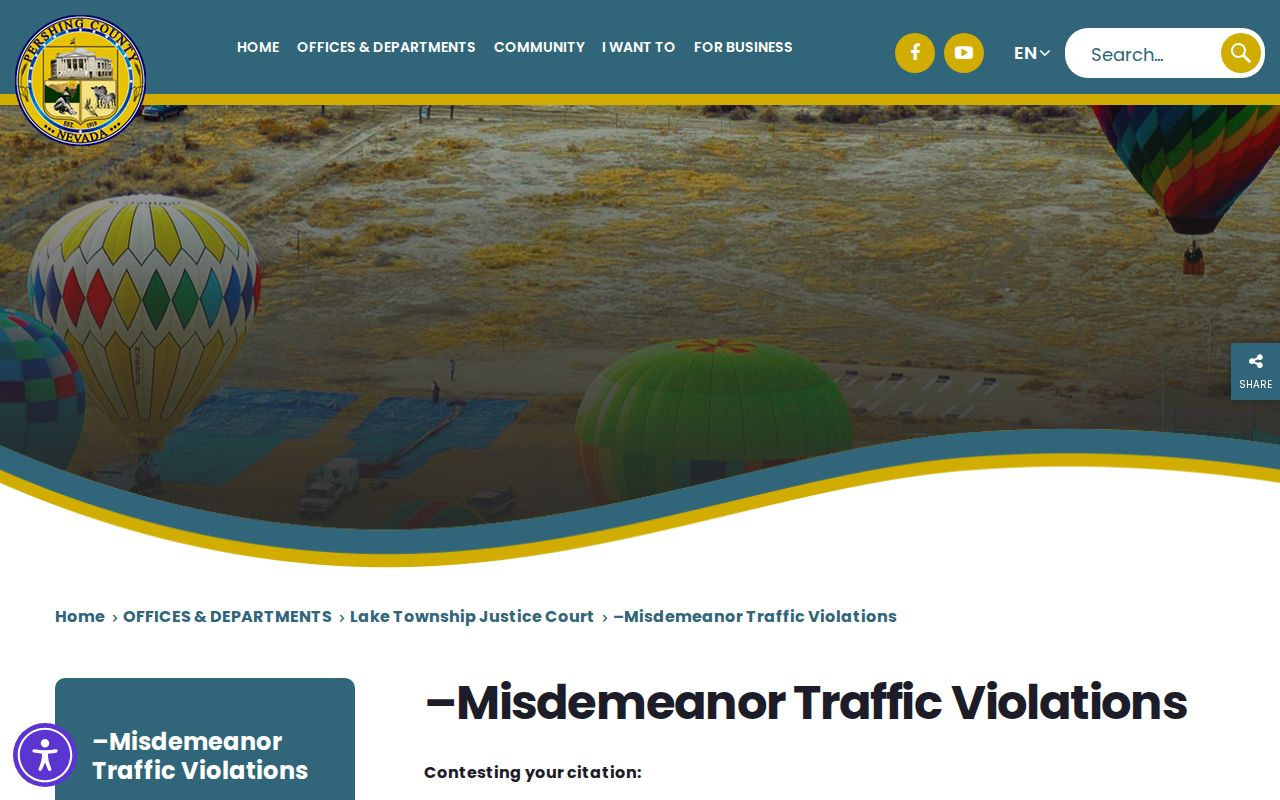
Pershing County gives misdemeanor traffic cases one built-in warning. When a citation goes unpaid or the person never contacts the court, the process starts with a Notice of Intention to Issue Warrant. That notice adds a $25 fee and opens a 30-day window to pay or contest. Ignore it and a warrant may issue, with a $200 warrant fee on top, and driver-license action may follow. The county traffic page explains the procedure but will not show live status. The Lake Justice fee schedule lists the same FTA and FTP fee signals. For your current balance and status, the court itself is the answer.
The county notice page shows the local sequence a misdemeanor traffic file can follow.
How Bench and Arrest Warrants Differ
Bench warrants and arrest warrants both can put a person in custody. A bench or FTA warrant in Pershing County grows out of missed court attendance or noncompliance. An arrest warrant grows out of a probable-cause process for an offense. Ask each court the questions that fit its record.
| Question | Bench or FTA warrant | Arrest warrant |
|---|---|---|
| Typical trigger | Missed appearance, failure to comply, or qualifying traffic process. | Probable cause that an offense occurred and the person committed it. |
| First records route | Issuing court, often Lake Justice or District Court. | Issuing court, then sheriff or police service route. |
| Useful question | Was an FTA entered, and what recalls the process? | What court issued it, and what status or appearance is required? |
| Traffic distinction | Misdemeanor traffic may create a warrant after notice. | A civil traffic infraction does not create a warrant under Rule 3.7. |
Civil Traffic Is Not a Bench Warrant
Civil traffic runs on a separate track in Pershing County. The county's civil-infraction page describes a 90-day handling period, notice, default judgment, collections, and possible license suspension. Nevada's Civil Traffic Infraction Rule 3.7 says no warrant may issue for civil-infraction FTA or nonpayment, which is a different path from misdemeanor traffic. So before requesting a warrant recall, ask the court to classify the citation. If it is civil, ask about default judgment, collections, and any motion-to-set-aside process. If it is misdemeanor traffic, ask about the Notice of Intention, the $25 late fee, the 30-day period, the $200 warrant fee, and the license-clearance route.
Local boundary. Do not call every unpaid traffic balance a bench warrant. The citation classification controls the process.
Clearing a Bench Warrant in Pershing County
Pershing County publishes no recall form, safe-surrender calendar, walk-through agreement, after-hours warrant line, or universal payment portal. Call the issuing court or your lawyer before you appear. Ask what the court requires: an appearance, payment, motion, reset, proof of compliance, or something else.
Before you travel. A phone call does not guarantee a status answer, and an unannounced visit is not a published safe-surrender procedure.
Paying a fee or citation does not itself prove the warrant was recalled, the case ended, or a DMV record changed. Ask for written proof. Keep the receipt, docket entry, or clearance document in Pershing County hands only if it is yours.
Pershing County Courts That Issue Bench Warrants
Lake Township Justice Court handles Pershing County traffic, misdemeanor, preliminary-hearing, and lower-court process questions. The county page places it at the lower level of the courthouse and lists its public contact. District-court case files and filings go through the Pershing County Clerk's Office. Do not route a district-court file to the county administrative clerk-treasurer.
Lake Township Justice Court
400 Main St., lower level, Lovelock
(775) 273-2753
Pershing County Clerk's Office
400 Main St., Lovelock
(775) 273-2410 ext. 1322
For sheriff-held service records in Pershing County, use the Sheriff's Office at its published main contact. The office lists no dedicated warrant unit phone.
Bench-Warrant Status Terms
Use precise status questions when calling Pershing County offices. A clerk may hold one part of the chain while an agency holds another.
- Issued
- The court authorized process. It does not prove service.
- Served
- An officer executed process. The underlying case can still be open.
- Returned
- The process was returned to court. Ask what result the return records.
- Recalled
- The court withdrew the warrant. Ask whether the agency record updated.
- Cleared
- A term that may mean a DMV item, fee, or court status. Ask which record changed.
Write down the court name, case number, contact date, staff name, and written response in Pershing County. "No record found" is not the same as "recalled."
Public Access to Pershing Bench Warrants
Nevada's Public Records Act lets you ask Pershing County offices for records, though sealed, juvenile, investigative, tribal, federal, and non-county matters stay closed. The sheriff's request form wants specifics: describe the record, pick a format and delivery method, and sign it. Expect estimate and deposit terms before the office fulfills anything. Read NRS Chapter 239 for the request framework and NRS Chapter 62H for juvenile confidentiality rules. A narrow request works best here. Ask for the recall procedure or one non-exempt record rather than a countywide bench-warrant roster. The county publishes no public list of outstanding bench warrants.
Pershing Misdemeanor Court Route
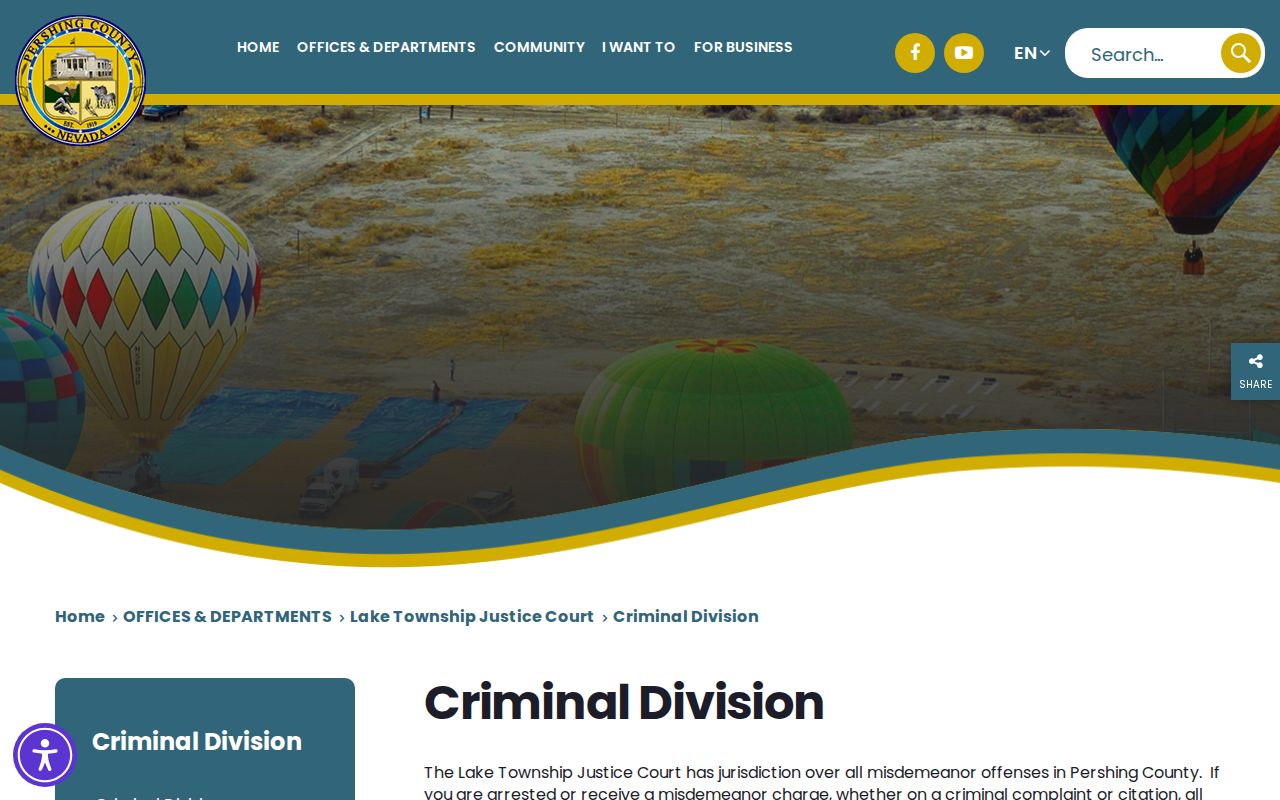
The Pershing County criminal division explains where misdemeanor charges originate. Knowing that keeps a Lake Justice bench-warrant question separate from a District Court file.
The official criminal division page supplies the local jurisdiction source.