How Arrest Warrants Work in Pershing County
Nevada statutes treat an arrest warrant as judicial process. A judge issues one after sworn affidavit evidence shows probable cause that a crime happened in Pershing County and that the named defendant committed it. Not every case gets a warrant. The district attorney can request a summons instead, which orders an appearance without authorizing an arrest. That distinction matters when you call the clerk. No Pershing County agency publishes an arrest-warrant roster. So the issuing court is the first stop for warrant status. The sheriff or city police may know whether the process was served, though they post no assignment list and run no dedicated warrant line.
Probable Cause and Pershing Courts
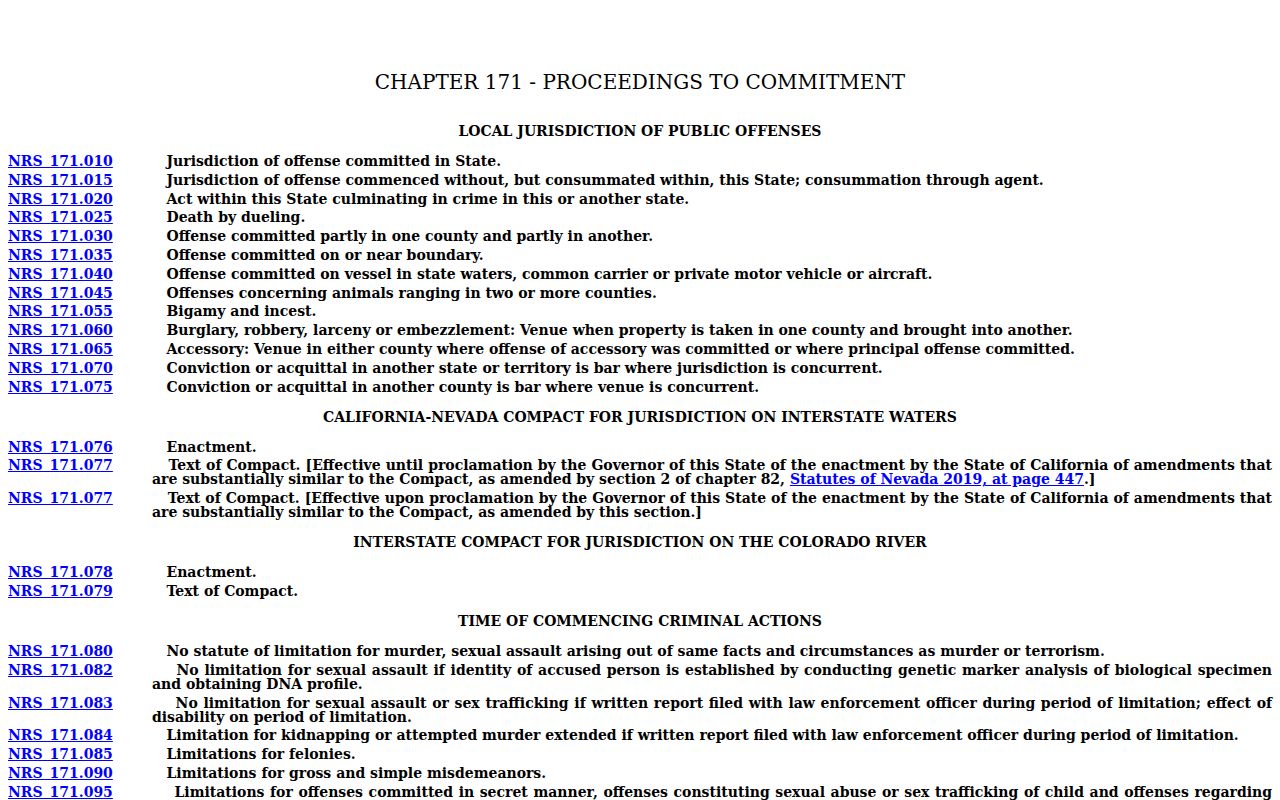
The legal footing for warrants sits in NRS Chapter 171, Nevada's core statute for probable cause and what a written warrant must contain. Pershing County splits its courts in two. Lake Township Justice Court handles misdemeanors and preliminary hearings on the lower-court side. The Eleventh Judicial District Court handles general-jurisdiction trial matters, with record questions routed through the Pershing County Clerk's Office. The charge level tells you which clerk to call. Lake Justice also publishes one local detail. Its Justice of the Peace reviews and issues search warrants for county and City of Lovelock agencies, except Tribal Police and the Bureau of Indian Affairs. That statement covers search warrants only, not a public arrest-warrant list.
The official Nevada arrest-warrant authority is the source for required process, not a local result table.
Arrest Warrants: What They Contain
Pershing County publishes no sample arrest warrant, so the table follows the statutory schema and the local questions a caller can ask. Nothing in it copies a person's record.
| Identity | The defendant's name or description, as required by the written process. |
|---|---|
| Issuance | The date and county, city, or town where the warrant issued. |
| Offense | The offense and the probable-cause basis. An affidavit may be restricted. |
| Authority | The magistrate's signature or other issuing authority. |
| Command | Direction to arrest and bring the person before the nearest available magistrate. |
| Execution instruction | Whether the warrant states no-knock status under NRS 171.108. |
| Current status | Ask the court and agency whether it is active, served, returned, recalled, or otherwise resolved. |
Use No public sample rather than inventing a Pershing number or bond value.
Search Warrants Are Different
Search warrants and arrest warrants do different jobs. One lets officers search a person, place, or thing. The other puts a person in custody. Pershing County's Lake Justice page describes its search-warrant jurisdiction, but that page is not an arrest-warrant database. Keep the two separate. Search-warrant files can also carry sealing rules and investigative limits. A pending investigation is not a question for a public web page. Ask the issuing court, or the agency holding a non-exempt procedural record, what can be released. The sheriff's public-record process covers sheriff-held files only; it cannot make the District Court, Lake Justice, Lovelock Police, tribal court, or federal clerk hand over another office's records.
How Warrants Get Served in Pershing County
The sheriff's stated mission covers jail custody, court security, and investigations. Lovelock Police is the city contact. Both are practical places to ask about service of a warrant in Pershing County. But no local source says the sheriff alone serves every warrant, or identifies the officer assigned to a particular process.
Pershing County Sheriff's Office
395 9th St., Lovelock, NV 89419
(775) 273-2641
Ask the issuing Pershing County court who holds the warrant, then ask the agency about service or return. Check both. Court status and agency service status can update at different times.
Pershing Arrest Warrant Boundaries
The right office depends on the court level. A district-court criminal question belongs with the Pershing County Clerk's Office and the Eleventh Judicial District. A misdemeanor or preliminary matter belongs with Lake Justice. A Lovelock agency matter may also need the city police contact. The court level controls the first call. Tribal and federal process is separate. The Lovelock Paiute Tribal Court and Tribal Police appear in the Nevada public-safety directory, while the District of Nevada and U.S. Marshals keep their own records and tip routes. A county answer cannot certify those jurisdictions.
| Record source | First contact | What it cannot prove |
|---|---|---|
| District case | Pershing County Clerk's Office | Tribal or federal status. |
| Lake Justice case | Lake Township Justice Court | Every sheriff service detail. |
| City agency file | Lovelock Police | A current court warrant without court confirmation. |
| Sheriff-held file | Pershing County Sheriff's Office | Another office's docket. |
Arrest Warrants, Summonses, and Bench Warrants
A warrant's label signals the process behind it. It will not tell you current status, bond, or service in Pershing County; only the issuing court can confirm the record.
| Process | Core purpose | Pershing question |
|---|---|---|
| Arrest warrant | Authorize custody after probable cause. | Which court issued it and what appearance is required? |
| Summons | Command an appearance without the same arrest command. | Does the case paper name a summons instead? |
| Bench or FTA warrant | Respond to missed court or noncompliance. | Was an FTA entered, and what action recalls it? |
| Search warrant | Authorize a search of specified things. | Which agency and court hold the investigative record? |
Sealed and Restricted Process
Some process stays out of public view. That includes warrants tied to sealed complaints, juvenile matters, active investigations, tribal files, and federal cases. Nevada's juvenile confidentiality rules carry real weight. Never publish a child's name, photo, charge, or warrant detail from an unverified source. NRS Chapter 62H draws the juvenile-access line, and NRS Chapter 239 frames public-record requests, though the actual custodian decides what non-exempt material gets released. A blank search result proves nothing. Restricted process can exist unseen in Pershing County.
Handling an Arrest Warrant in Your Name
Never test a warrant by walking in. Call the possible issuing court, the sheriff or city agency named in the paperwork, or a lawyer first, and ask what appearance, bond, surrender arrangement, or motion the case requires. Pershing County posts no safe-surrender hours. No after-hours warrant line operates here either.
Use a calm route. A lawyer or issuing court can explain what to do next. A web search, app card, DMV notice, or payment receipt cannot answer every status question.
Ask for the docket entry or written proof once a Pershing County court recalls the warrant. Keep the case number and contact date. Also confirm the serving agency has updated its own record.
No Public Pershing Arrest List
Pershing County posts no public arrest-warrant list. No court here runs a public warrant search either. Nothing downloadable exists, and no results page explains what a hit would even contain. The sheriff's records form still has a use. It covers one specific sheriff-held request for non-exempt material, and it carries an estimate, a deposit, and legal limits. That is not a free countywide warrant search. No local warrant number format, bond schedule, status code, or update cadence is published either. So a search that turns up nothing does not prove there are no active warrants in Pershing County. For the right court level, the Nevada Judiciary district directory and the county justice page name it directly.
Pershing Federal Warrant Boundary
Federal dockets sit apart from any Pershing County arrest-warrant question. Public PACER material may not list sealed complaints or warrants.
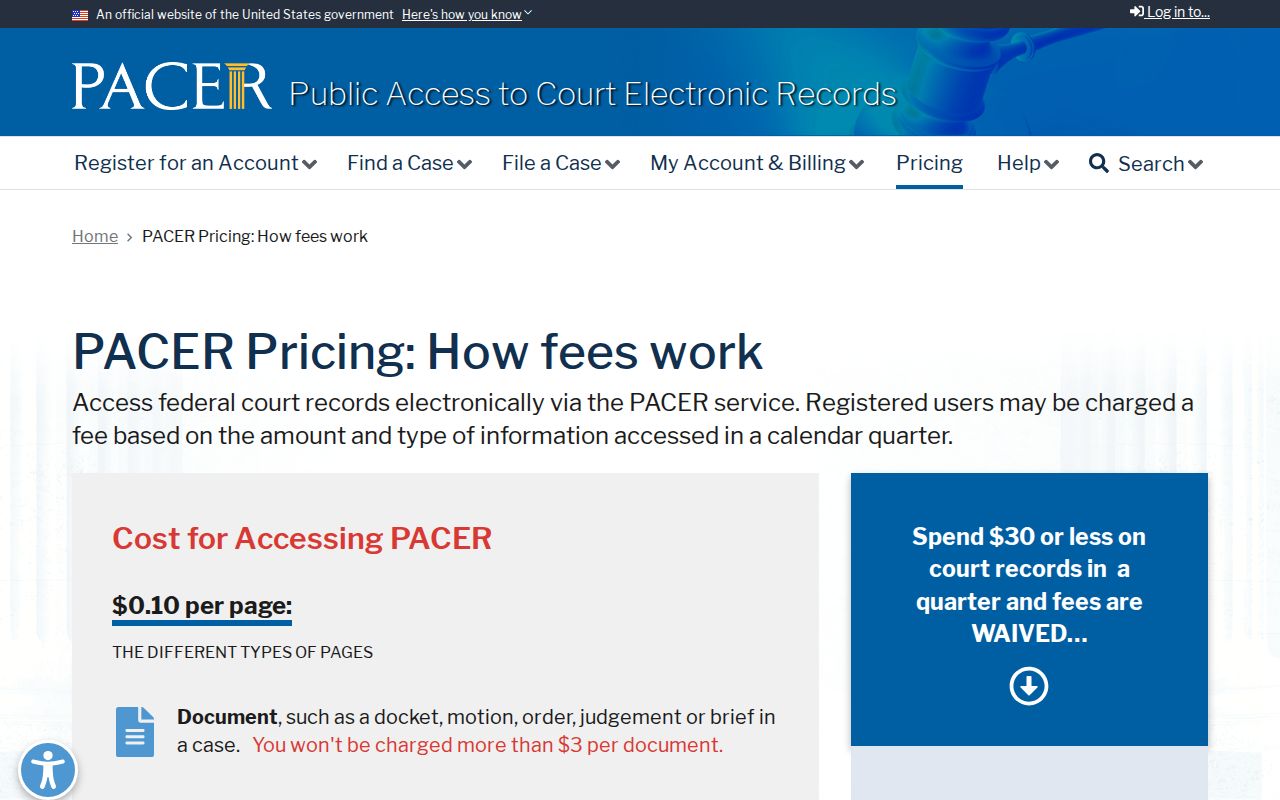
The official PACER fee page explains access to federal docket records.